Completed Work · Singapore
Recent Leather Upholstery Projects in Singapore
A growing library of completed vehicle interiors, organised by car model, upholstery colour, material and the areas retrimmed. New projects can be added here without changing the rest of this page.
Growing project library · New cars added after completion
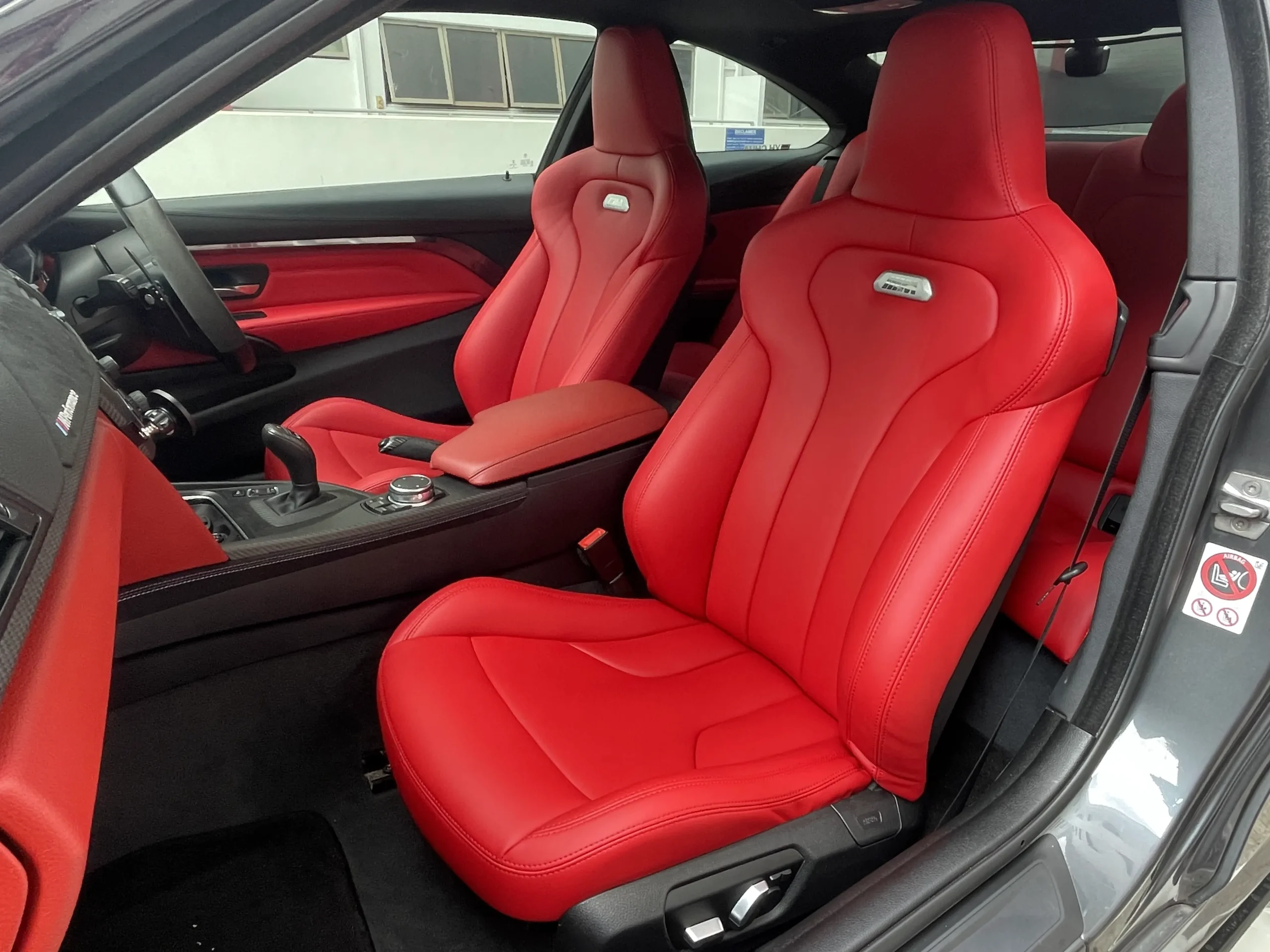
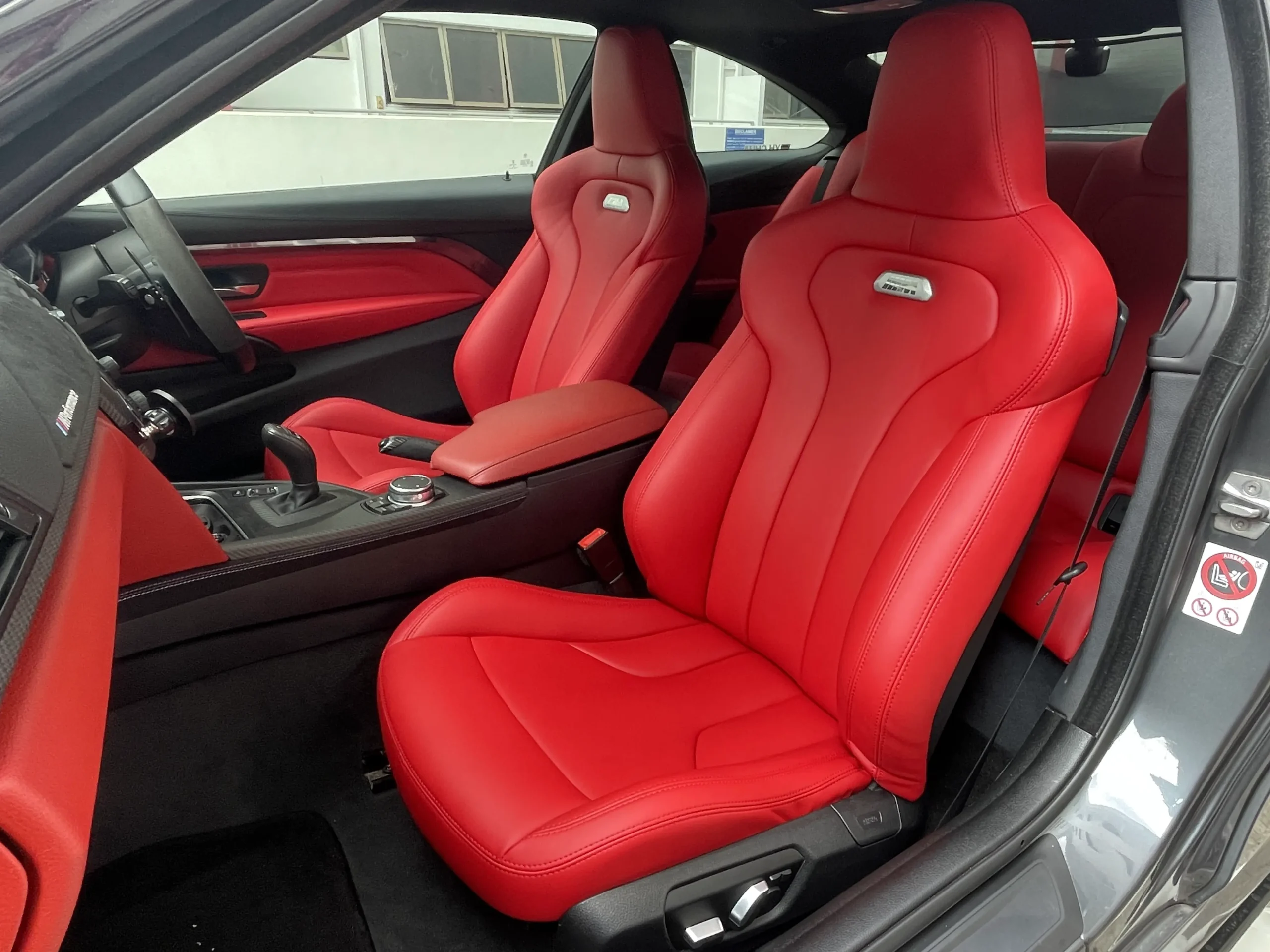
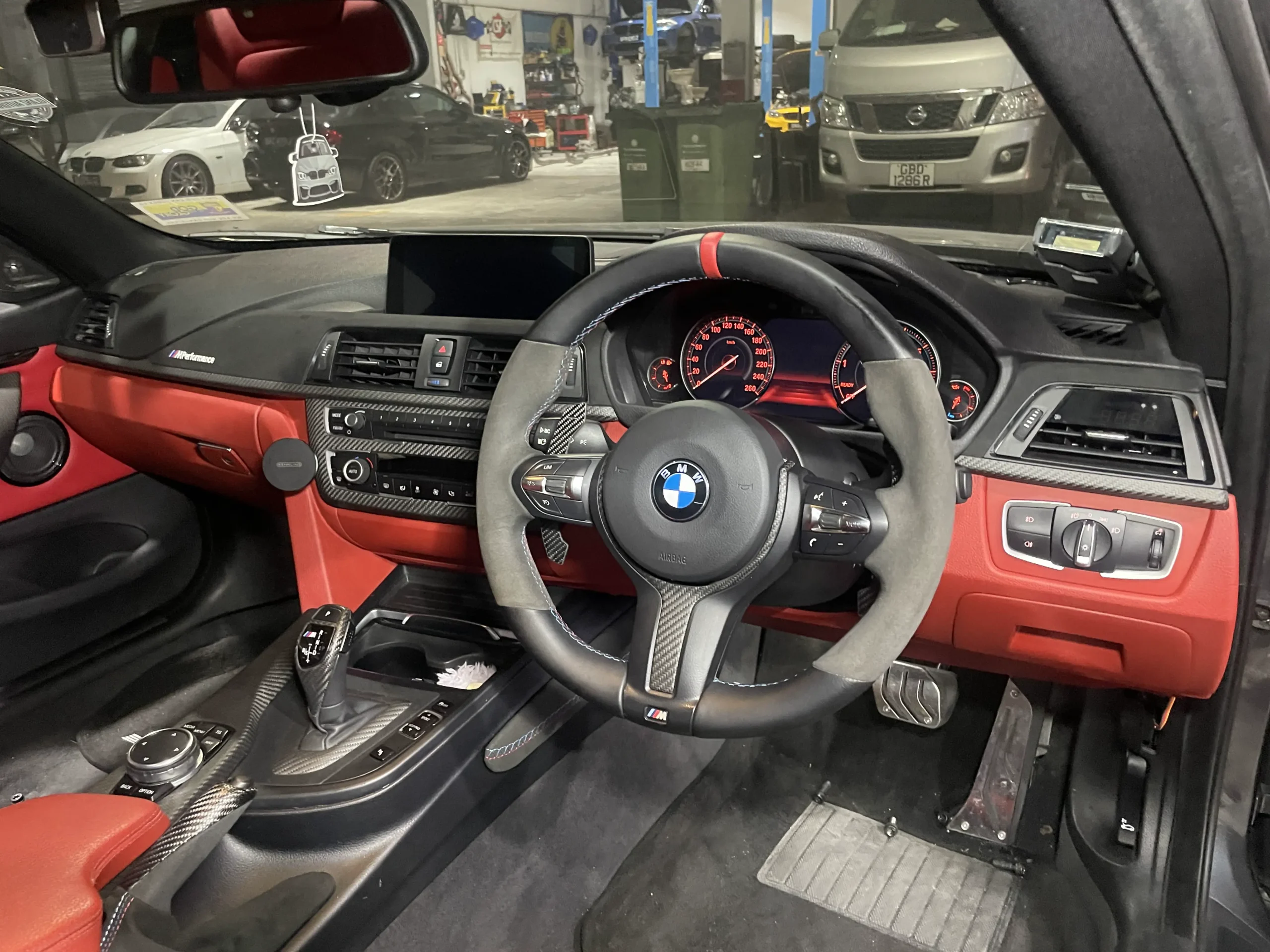
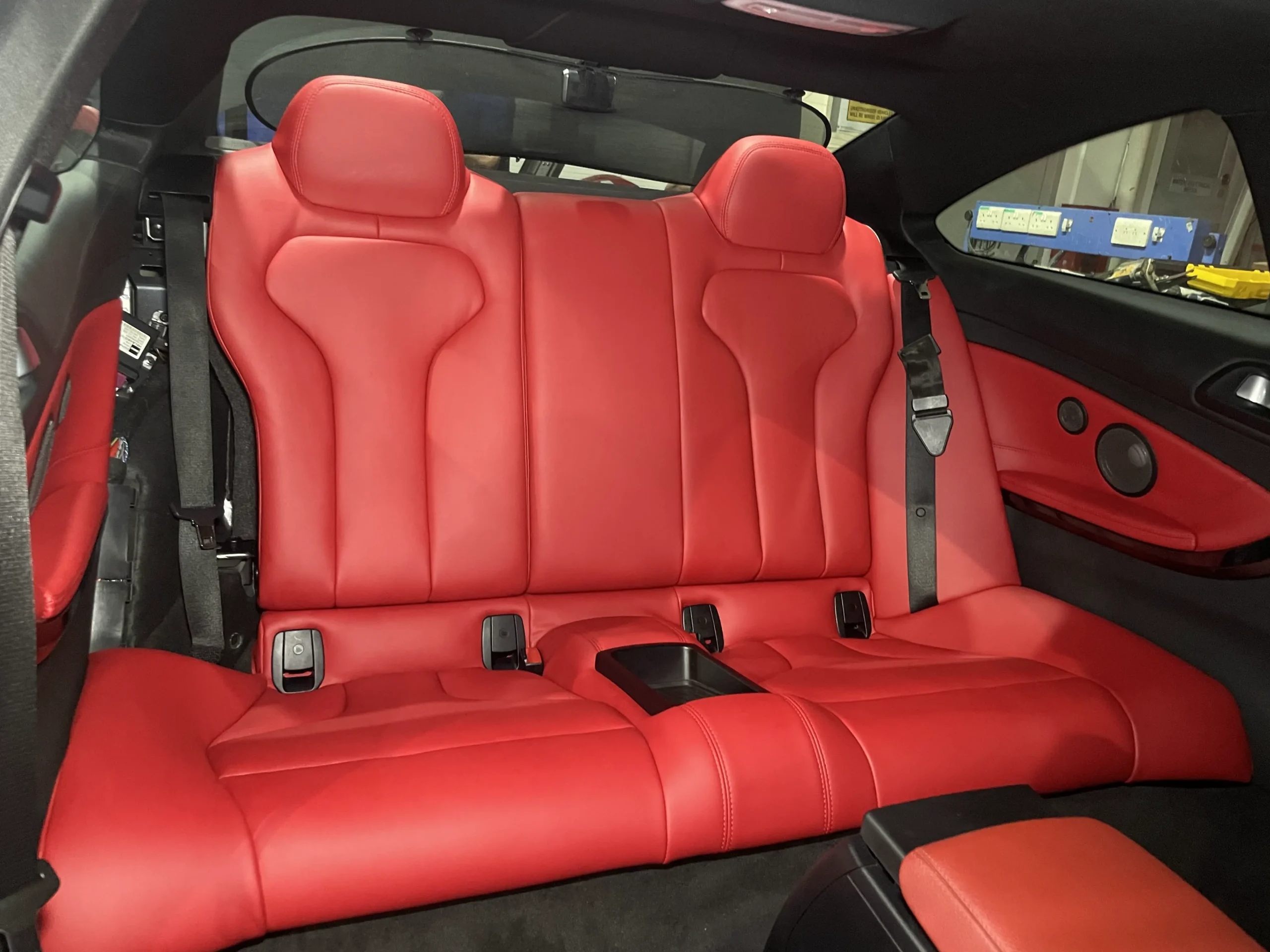
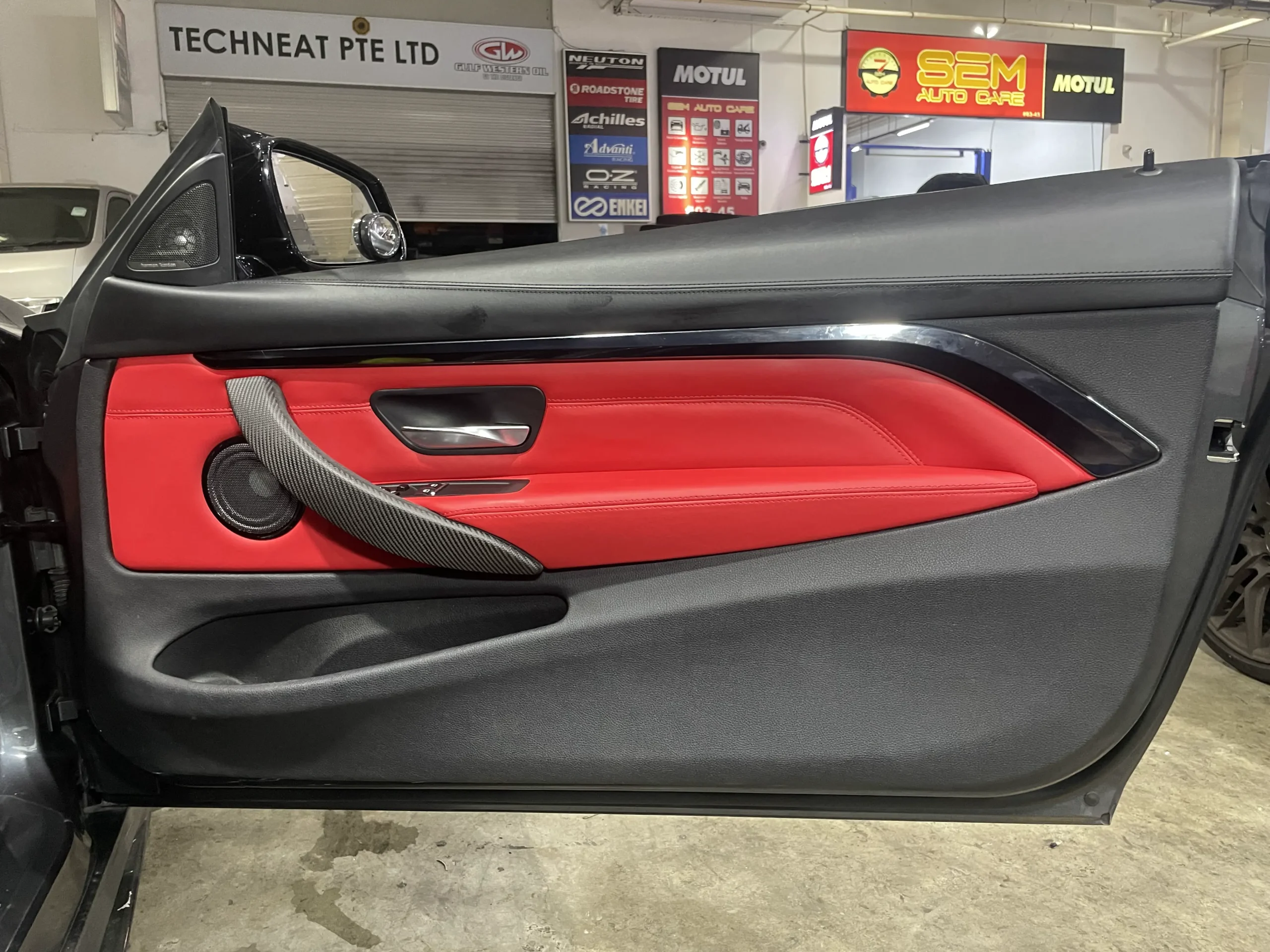
BMW 435i F32 – Full Red Leather Interior
A complete BMW 435i F32 interior upholstery project in Singapore, featuring coordinated red leather across the front and rear seats, dashboard, centre armrest and door panels.
Want a similar interior upgrade?
Send us 2–3 clear photos of your seats and your car model for an assessment.
This project library will grow as new full-interior upholstery work is completed and photographed.
Colours, Grains & Materials
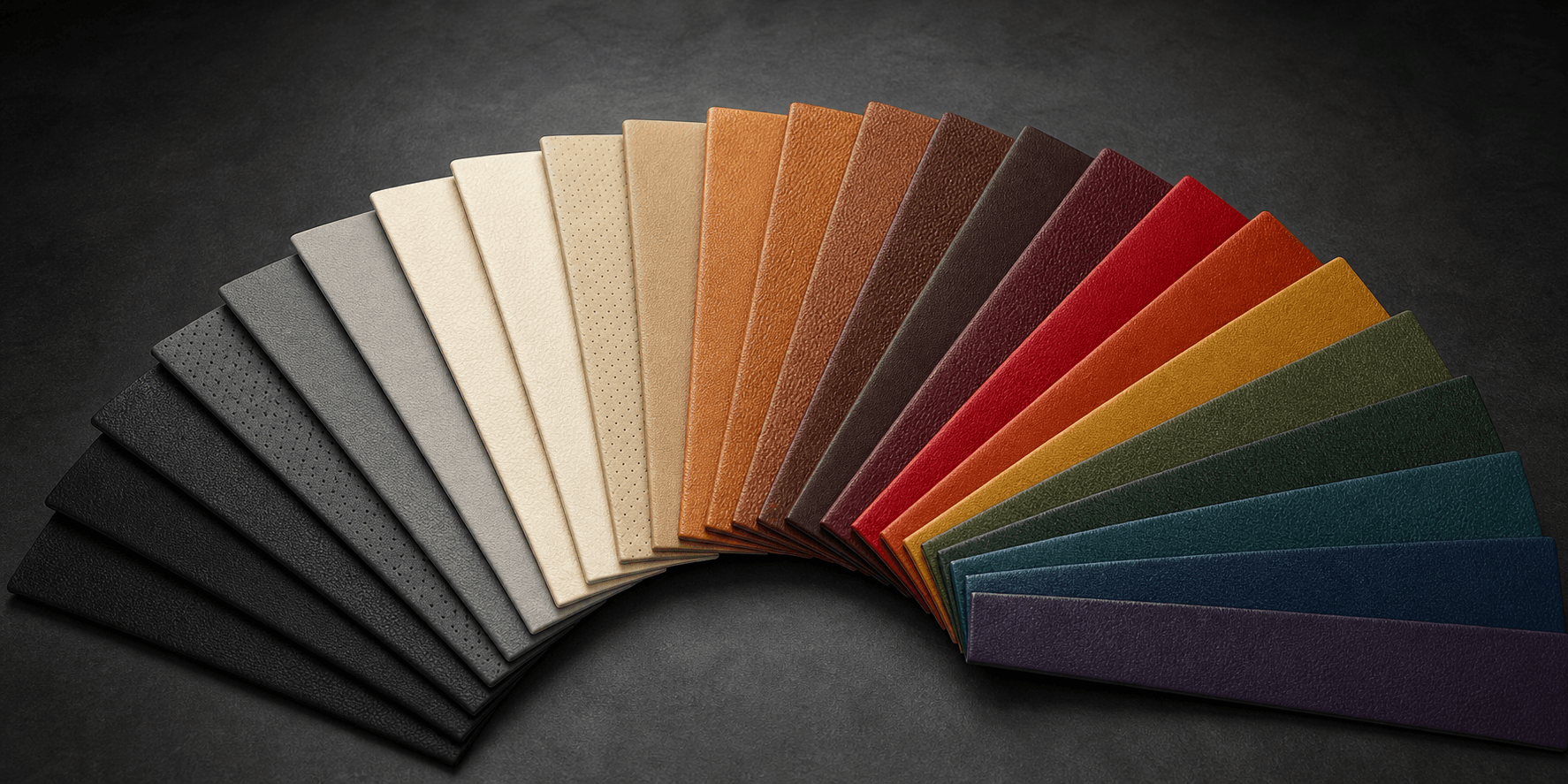
Choose the Right Automotive Upholstery Material
A beautiful car interior begins with the right combination of colour, surface grain, material grade and seat-panel coverage—not simply a colour selected from a screen.
Material Knowledge
Understanding Car Seat Upholstery Materials
Material names alone do not guarantee quality. The hide or base structure, tanning or polymer formulation, surface finish and automotive test specification all affect comfort, durability and price.
 Premium natural leather
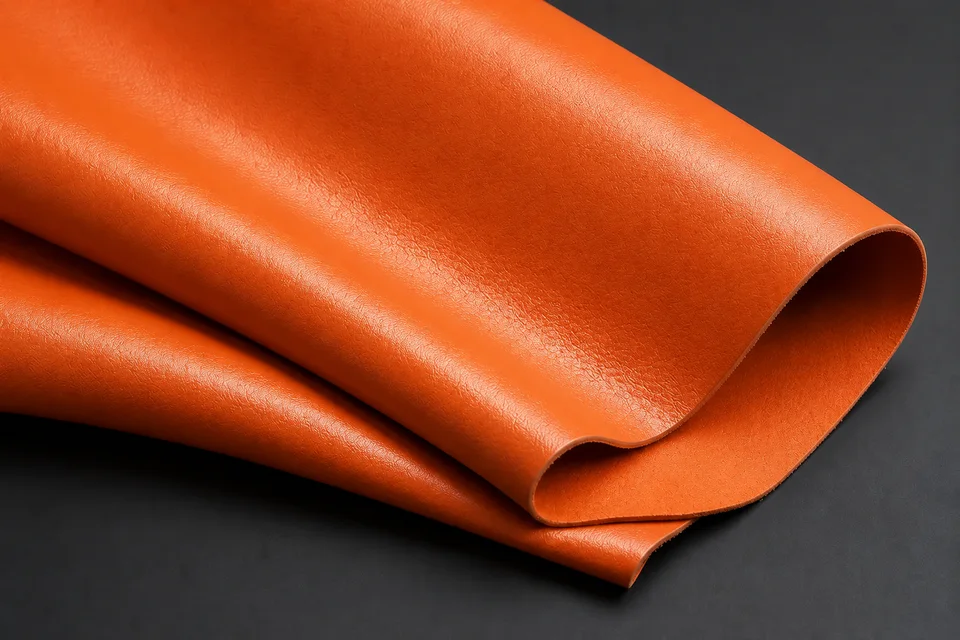
Automotive Nappa Leather
Premium automotive Nappa is recognised by its supple feel and very fine grain—or an almost smooth finish. Carefully selected, fine-grained hides are required because a light finish cannot conceal deep scars, loose grain or prominent natural defects. Calf or younger bovine hides may be preferred where a tight grain is specified. Strict selection, smaller usable areas and lower cutting yield contribute to its higher cost. For seat upholstery, a commonly specified thickness is around 1.1–1.2 mm, subject to the exact grade and supplier specification.
 Practical natural leather
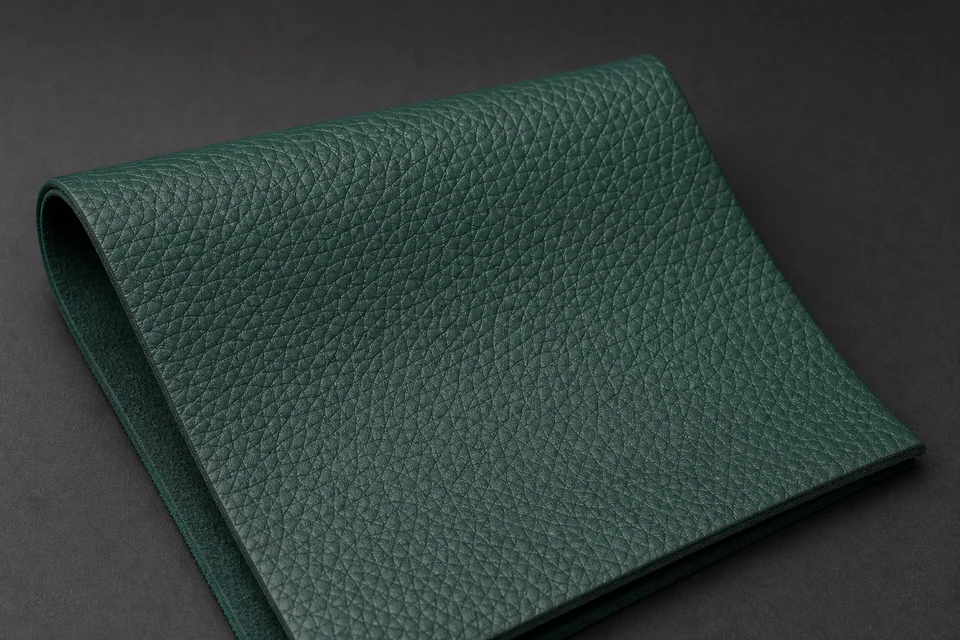
Corrected-Grain Automotive Leather
The grain surface is carefully buffed to reduce visible irregularities, then coloured, protected and embossed with a consistent automotive grain. Coarser pebble or “lychee” grains can create a uniform appearance and improve cutting yield. It is widely used because it combines genuine leather with easier maintenance and strong day-to-day performance.
 Natural character
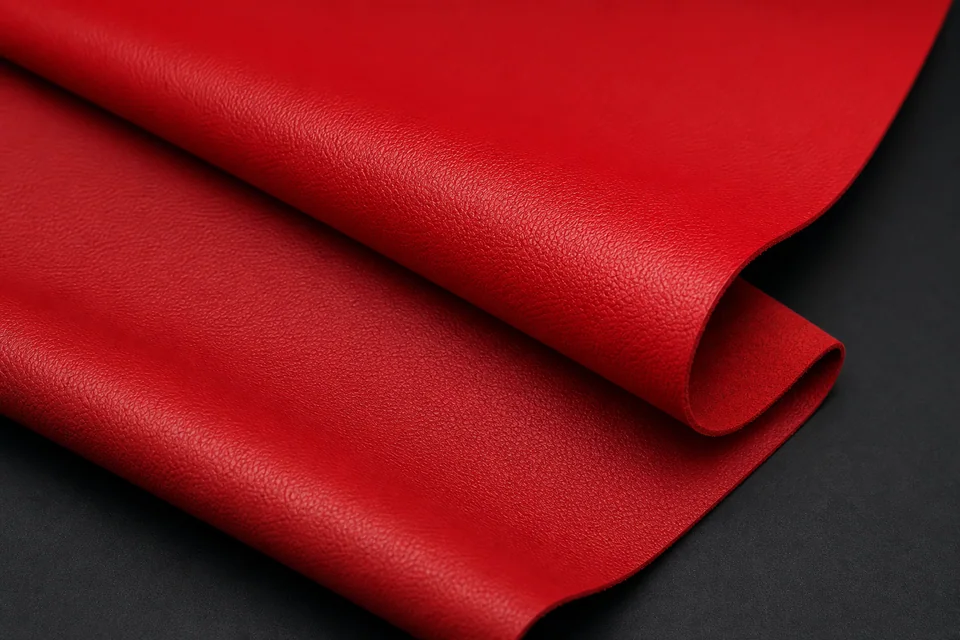
Full-Grain & Semi-Aniline Leather
Full-grain leather retains the complete natural grain without corrective mechanical removal. Semi-aniline leather uses a lighter pigmented finish so more of the natural character remains visible. These materials can offer a more natural touch, but selection standards, care requirements and exact automotive specifications must still be considered.
 Synthetic upholstery
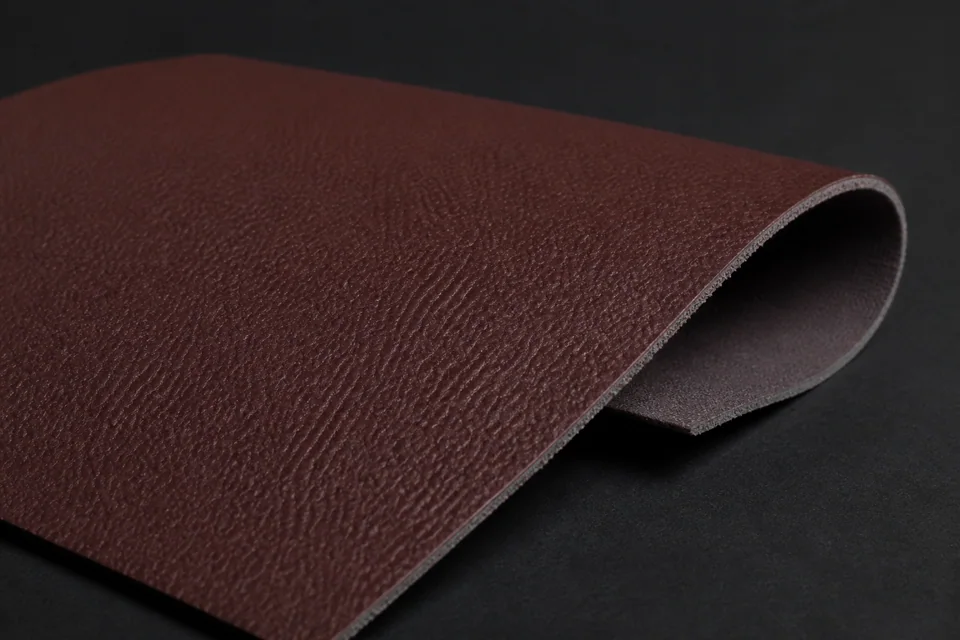
PU Artificial Leather
A woven or knitted backing with a polyurethane surface. It can be soft, consistent and available in many colours, but quality varies widely. Low-grade material may crack, peel or deteriorate prematurely in Singapore’s heat and humidity, so automotive test data and warranty matter more than appearance alone.
 Synthetic upholstery
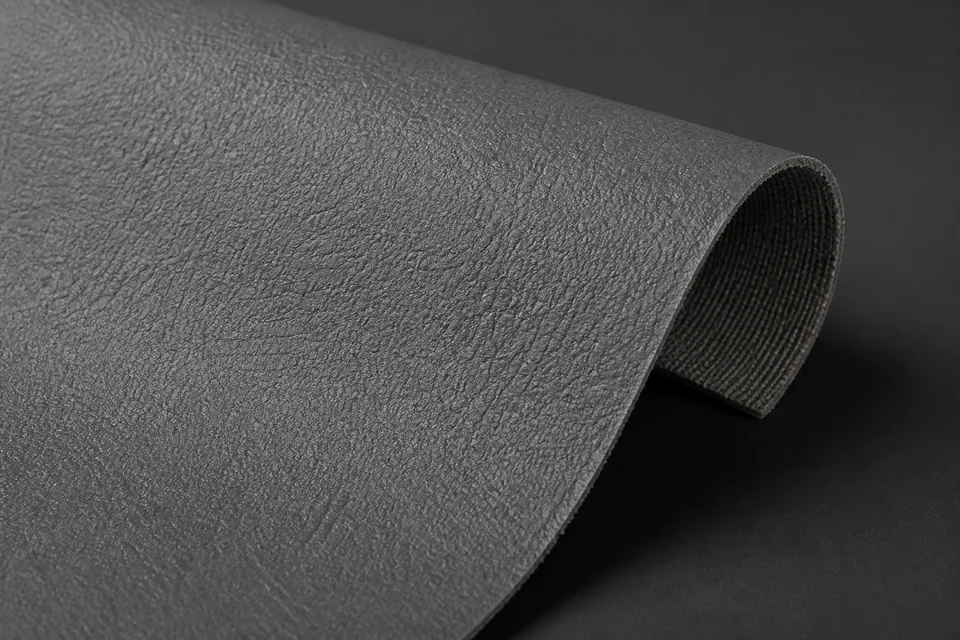
PVC Leather
A fabric backing coated with polyvinyl chloride. PVC is economical, easy to clean and available in consistent colours and grains. Its feel, flexibility, heat comfort and ageing performance depend heavily on formulation and grade; automotive-grade PVC should not be judged by the cheapest furniture or general-purpose vinyl.
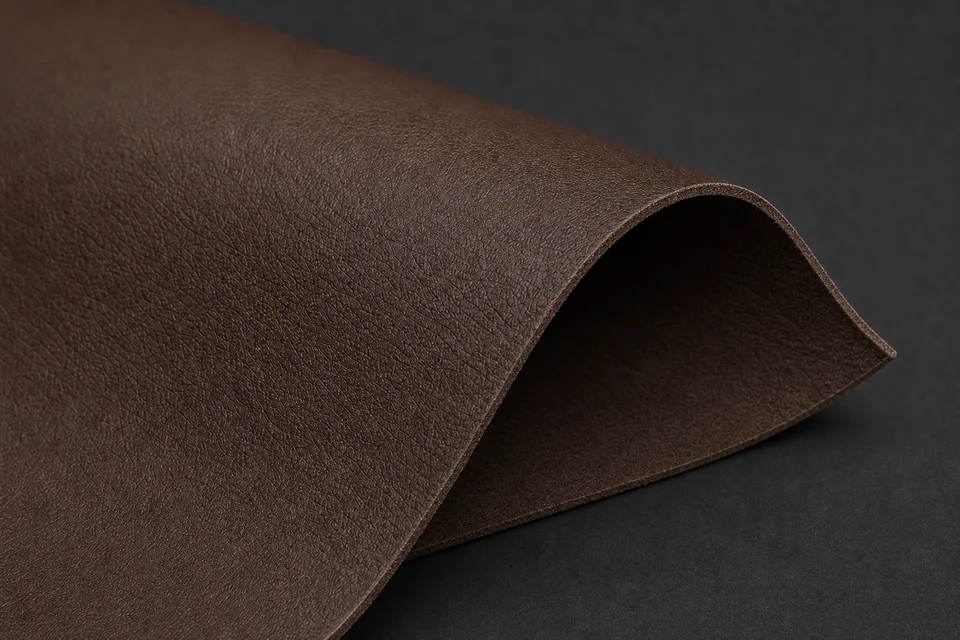 Microfibre structure
Microfibre / “Fibre Leather”
A three-dimensional microfibre non-woven base combined with polyurethane. It is not genuine animal leather and should never be sold as Nappa. Many current seat-upholstery products are supplied at around 1.0 mm, although the exact construction varies by grade and supplier. Performance ranges from short-lived low-cost products to engineered automotive grades. Ask about hydrolysis, abrasion, flex, UV and heat testing before comparing prices.
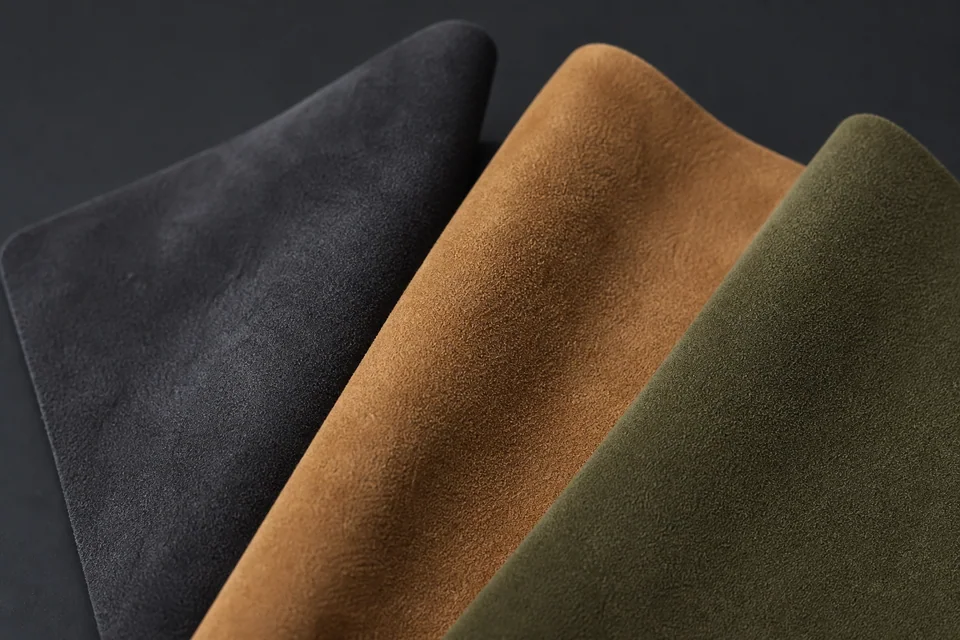 Suede-like surfaces
Suede, Nubuck & Microfibre Suede
Genuine suede comes from the flesh side or split layer; nubuck is produced by lightly buffing the grain side. Microfibre suede is synthetic. Each has a different structure, cleaning requirement and wear characteristic, even when the surface appearance looks similar. Alcantara is covered separately because it is a specific premium branded microfibre product rather than a generic material name.
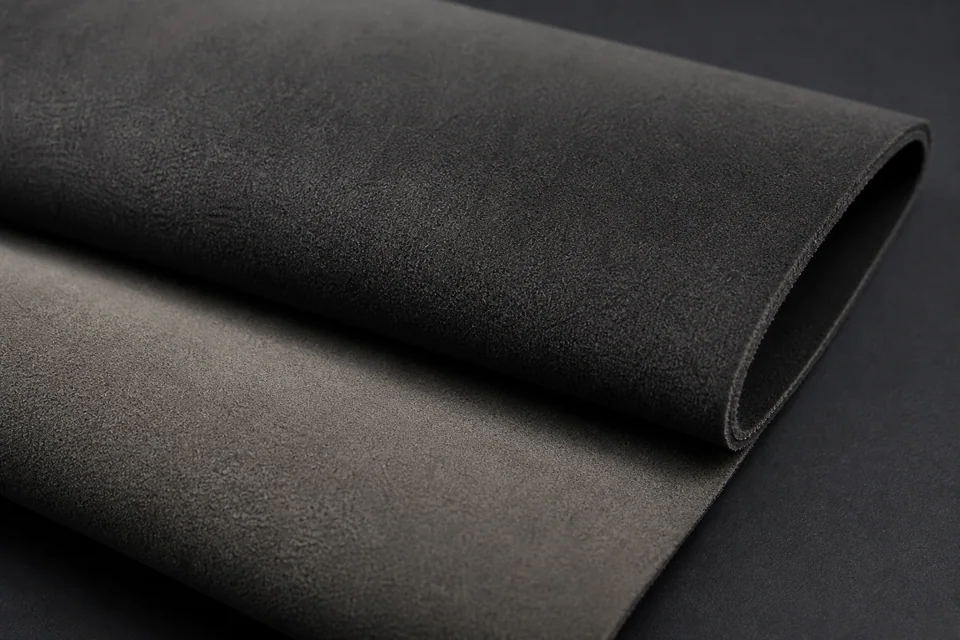 Premium microfibre upholstery
Alcantara Automotive Upholstery
Alcantara is a premium branded microfibre material widely used in luxury and performance-car interiors. Its fine, short and even nap provides a soft matte appearance, strong grip and a distinctive technical feel. It is not animal leather or generic suede. Genuine Alcantara should be identified by the supplier specification; cleaning, UV performance and wear depend on the exact automotive grade and application.
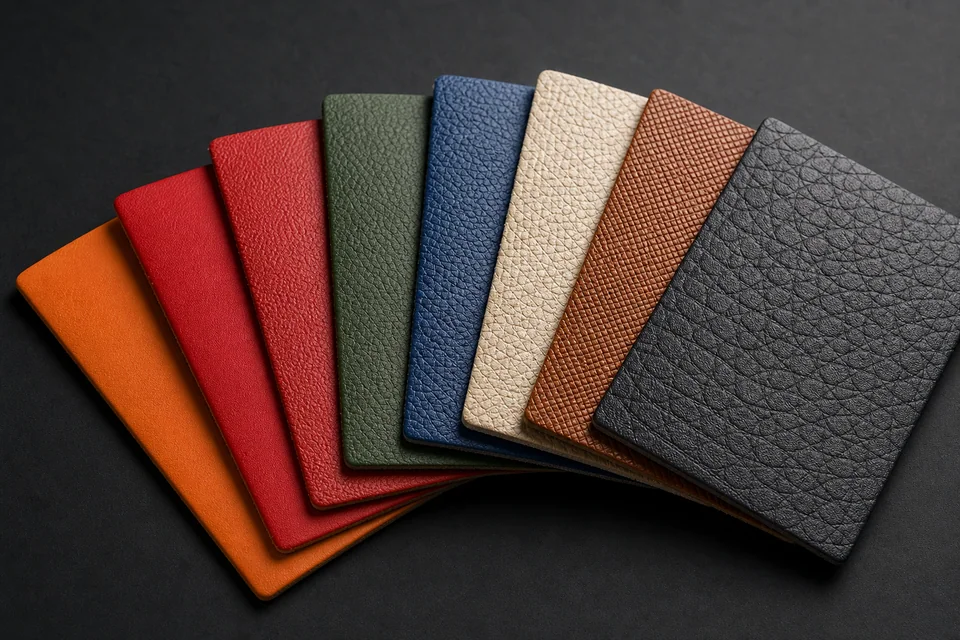 Common surface designs
Automotive Leather Grains
Popular finishes include fine smooth grain, pebble grain, haircell, coarse “lychee” grain and perforated surfaces. Perforation is a ventilation and design treatment; diamond quilting is a stitched panel pattern—not a natural leather grain.
What “Automotive Grade” Should Mean
Automotive upholstery is expected to withstand repeated entry and exit, body heat, perspiration, sunlight, staining, flexing and cabin-temperature changes. A responsible comparison considers abrasion, tear strength, flex resistance, colour fastness, UV, heat and hydrolysis performance.
From Hide to Seat
How Raw Hide Becomes Finished Automotive Leather
The cost difference begins long before the leather reaches the upholstery workshop. Raw-hide quality, usable area, surface correction, finishing and testing all affect the final price.
Raw Hide Selection
Hides are assessed for grain tightness, scars, scratches, insect bites, brands, wrinkles, vein marks, flaying damage and usable cutting area.
Cleaning & Preparation
Soaking, hair removal, fleshing, deliming, bating and pickling prepare the collagen structure for tanning.
Splitting & Thickness
The grain layer is separated from the flesh split and shaved to the thickness required for its intended upholstery use.
Tanning
Chrome, chrome-free or other tanning systems convert perishable hide into stable leather.
Grading
After tanning, hides are graded by the number, depth and position of natural characteristics and processing defects.
Retanning & Dyeing
Retanning, dyeing and fatliquoring develop the required colour, softness, strength, feel and moisture behaviour.
Surface Finishing
Depending on the grade, leather may receive light finishing or controlled buffing, pigmentation, protection and grain embossing.
Automotive Testing
Finished leather is checked for colour consistency, abrasion, flex, staining, light, heat and other customer specifications.
Why the Prices Differ
Nappa vs Corrected-Grain Automotive Leather
Premium Automotive Nappa
- Very fine grain or almost smooth surface
- Requires more selective, tighter-grained hides
- Natural defects are harder to conceal
- Smaller usable cutting zones and more rejection
- Lower cutting yield increases upholstery cost
- Chosen for softness, tactility and a refined appearance
Corrected-Grain Automotive Leather
- Surface irregularities can be carefully reduced
- Pigmentation improves colour consistency
- Embossing creates a uniform automotive grain
- Greater usable area improves cutting yield
- Protected surface is practical for everyday use
- Quality still depends on hide structure and test specification
Seat-Panel Coverage
What Type of Leather Seat Package Are You Buying?
Terms such as “half leather” or “one-third leather” are not universally standardised. We recommend confirming the precise panel map rather than relying on a package name.
Full Genuine Leather
All major visible upholstered seat panels are specified in genuine leather. Hidden technical pieces may vary according to the seat design.
Leather + Matching Synthetic
Selected contact and visible panels use genuine leather while designated outer, side or rear panels use colour-matched synthetic material.
Contact-Area / One-Third Leather
Only the central seating and backrest contact zones use genuine leather. Side bolsters, outer panels and seat backs are normally synthetic.
Full Microfibre Synthetic
All specified upholstery panels use microfibre-based artificial leather. The exact grade and automotive test specification should be stated.
Full PU or PVC Upholstery
A fully synthetic option offering consistent colour and easier cost control. PU and PVC should be identified separately because their structures differ.
Compare Before You Decide
Ask for More Than a Material Name
Expected service life depends on material grade, surface formulation, sunlight, heat, humidity, clothing friction, cleaning chemicals, foam support, sewing design and maintenance. A generic name alone cannot provide a reliable lifespan.
- Abrasion resistance
- Tear strength
- Flex resistance
- UV resistance
- Heat ageing
- Hydrolysis resistance
- Colour fastness
- Supplier warranty
Material Consultation in Singapore
Let Us Help You Choose the Right Upholstery
Send us your car model, preferred colour and 2–3 clear photos of the existing interior. We can advise on material type, grain, colour availability, seat-panel coverage and the next step for a quotation.
WhatsApp in English 中文 WhatsApp 询价Industry terminology references: Leather Working Group and Leather Naturally.


