The Regency Leather · Material Knowledge
A practical guide to genuine automotive leather, synthetic upholstery, suede-like surfaces, special fabrics, grains and seat-panel coverage—written to help Singapore car owners compare materials before choosing a retrim.
Automotive Leather
“Genuine leather” is only a starting point. Hide selection, surface correction, finishing, thickness and automotive test specification all influence appearance, comfort, durability and price.
Automotive Nappa Leather
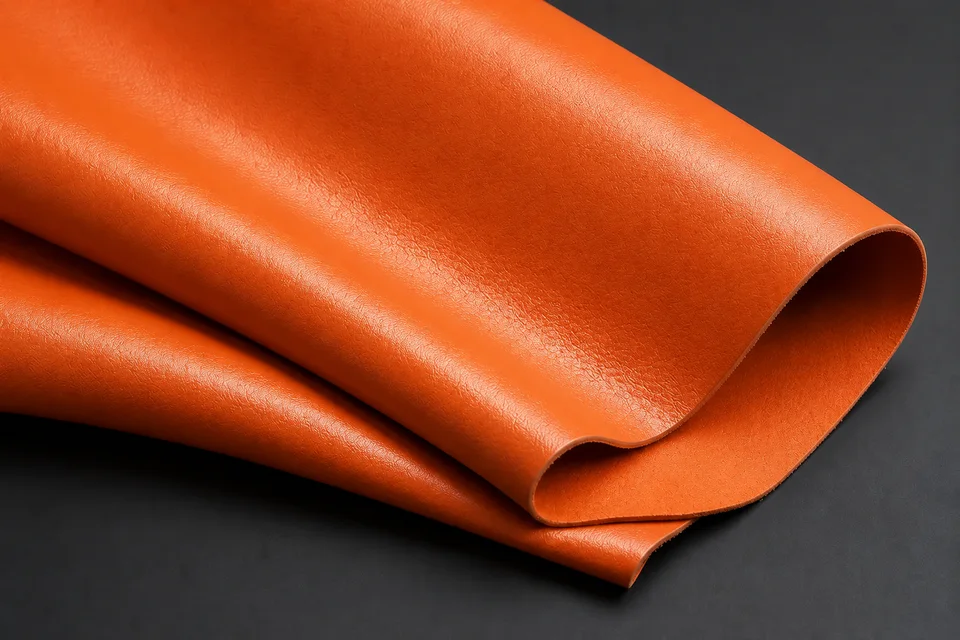
Nappa is valued for a supple feel and very fine grain, or an almost smooth finish. A lighter surface finish demands more selective hides because deep scars and prominent defects are harder to conceal. Strict selection and lower cutting yield contribute to its higher cost.
Corrected-Grain Automotive Leather
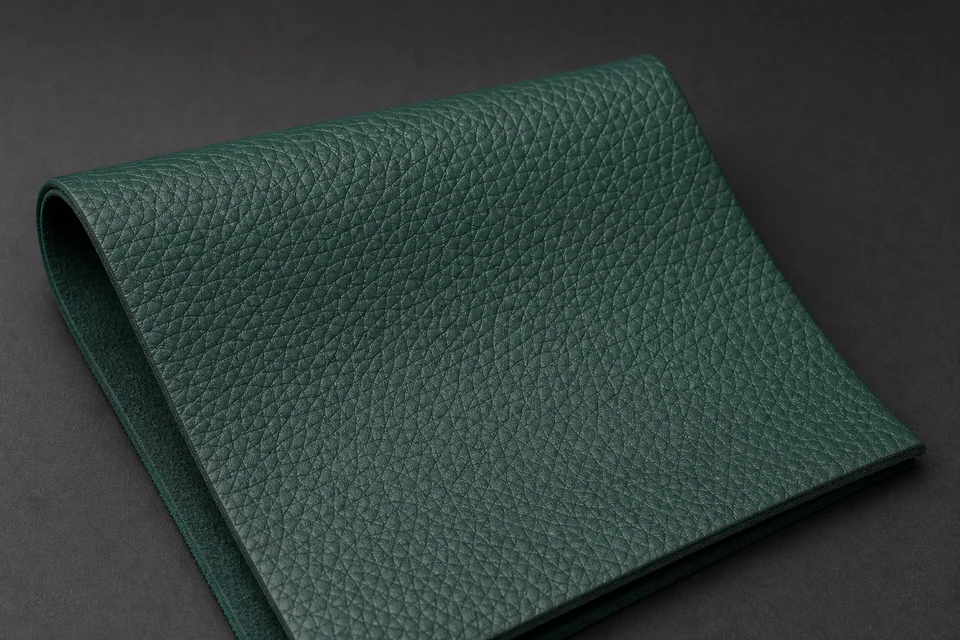
The grain surface is carefully buffed to reduce visible irregularities, then coloured, protected and embossed with a consistent automotive grain. It combines genuine leather with easier maintenance and practical day-to-day performance.
Full-Grain & Semi-Aniline Leather
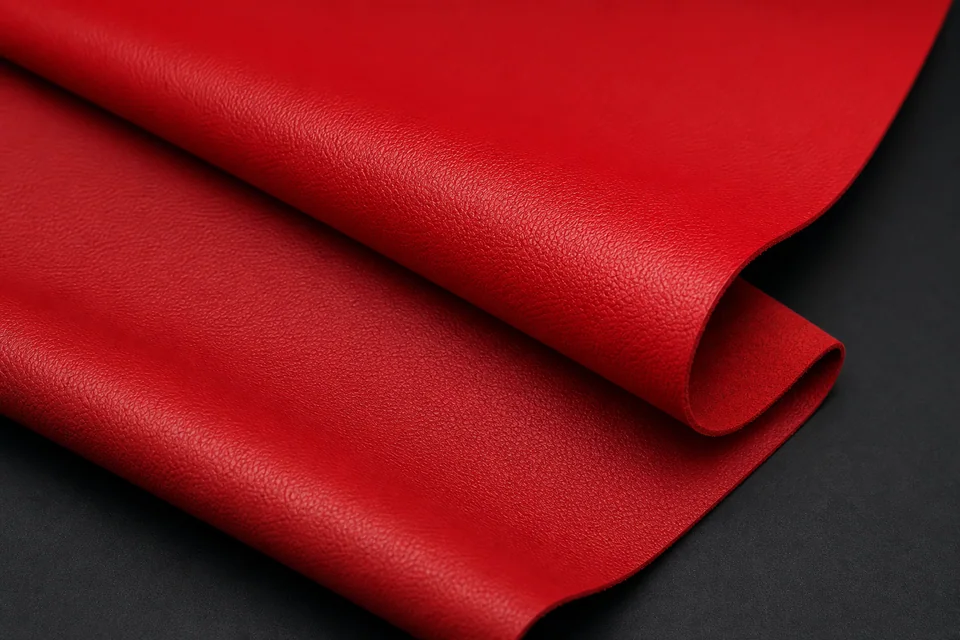
Full-grain leather retains the natural grain without corrective mechanical removal. Semi-aniline leather uses a lighter pigmented finish so more natural character remains visible. Exact automotive specification and care requirements still matter.
Synthetic Automotive Upholstery
Synthetic materials can provide consistent colour, easier cost control and useful performance, but their construction and grade should always be stated clearly.
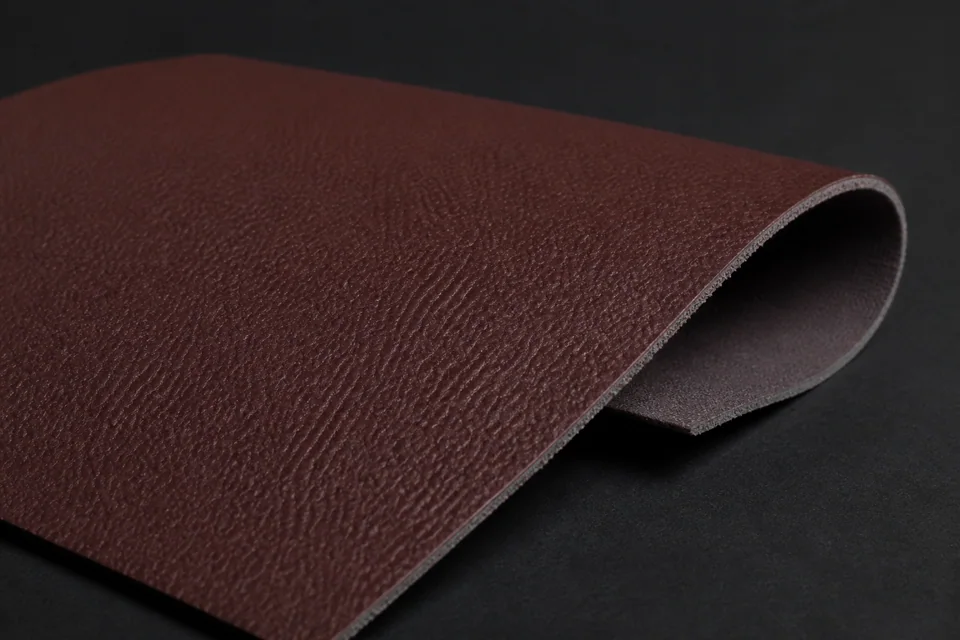
PU Artificial Leather
PU uses a woven or knitted backing with a polyurethane surface. It can be soft and available in many colours, but quality varies widely. Automotive heat, UV, flex and hydrolysis performance are more important than appearance alone.
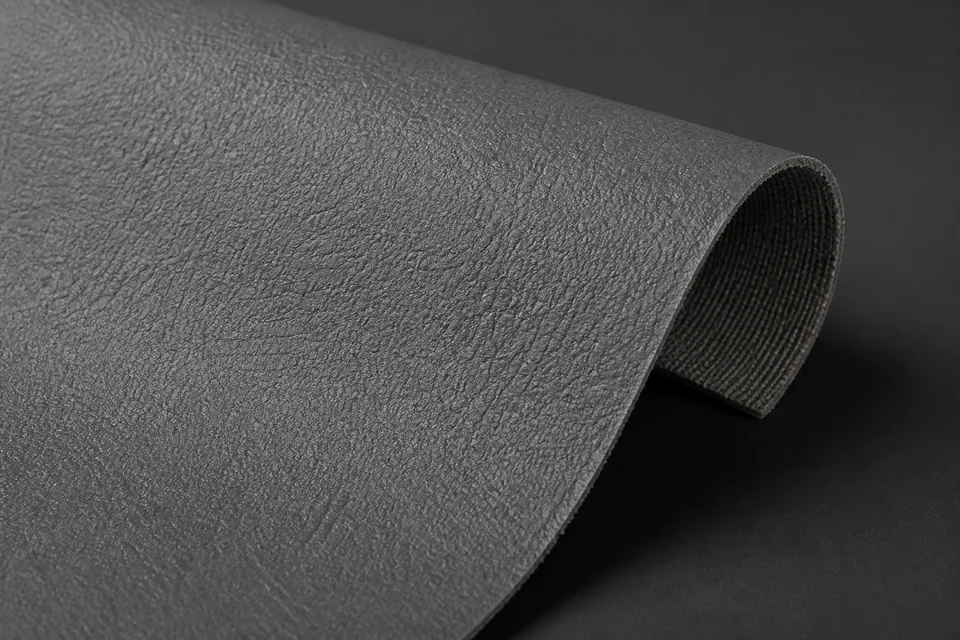
PVC Leather
PVC is economical, easy to clean and available in consistent colours and grains. Feel, flexibility, heat comfort and ageing depend on formulation and grade; automotive PVC should not be compared with the cheapest furniture vinyl.
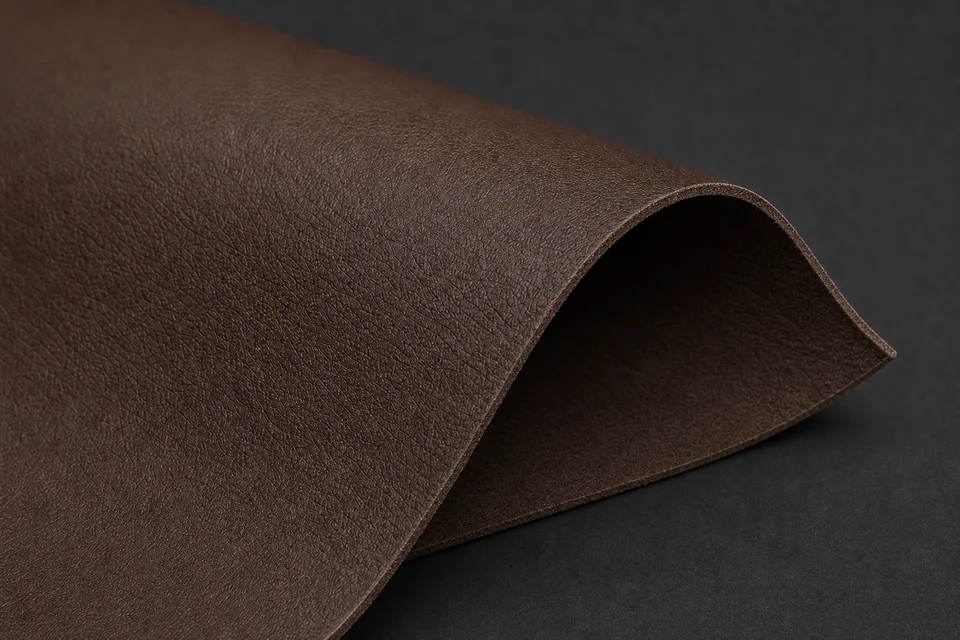
Microfibre / “Fibre Leather”
A three-dimensional microfibre non-woven base combined with polyurethane. It is not animal leather and should not be sold as Nappa. Performance ranges from low-cost products to engineered automotive grades, so abrasion, flex, UV and hydrolysis specifications matter.
Suede-Like & Speciality Materials
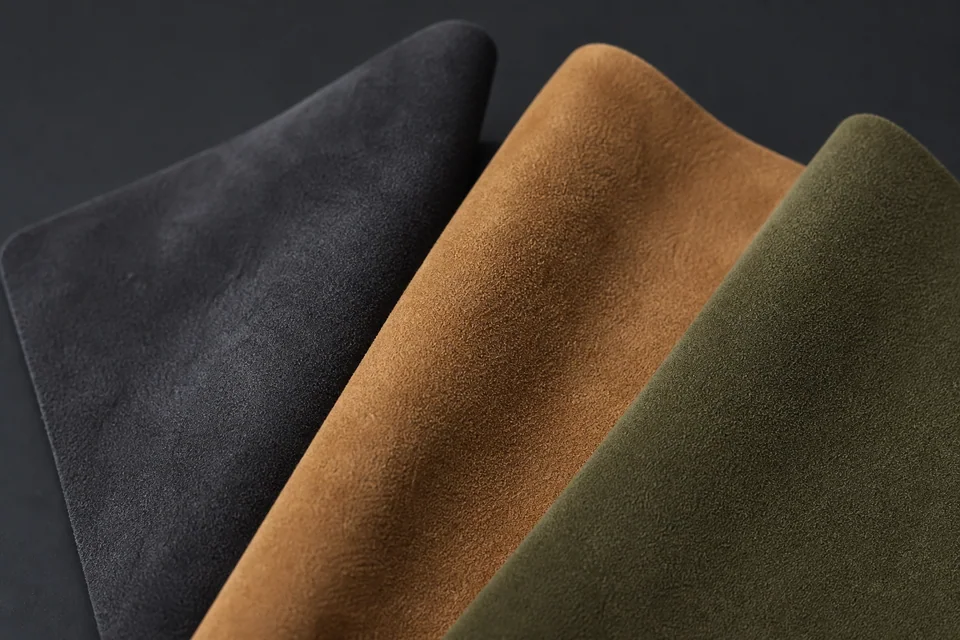
Suede, Nubuck & Microfibre Suede
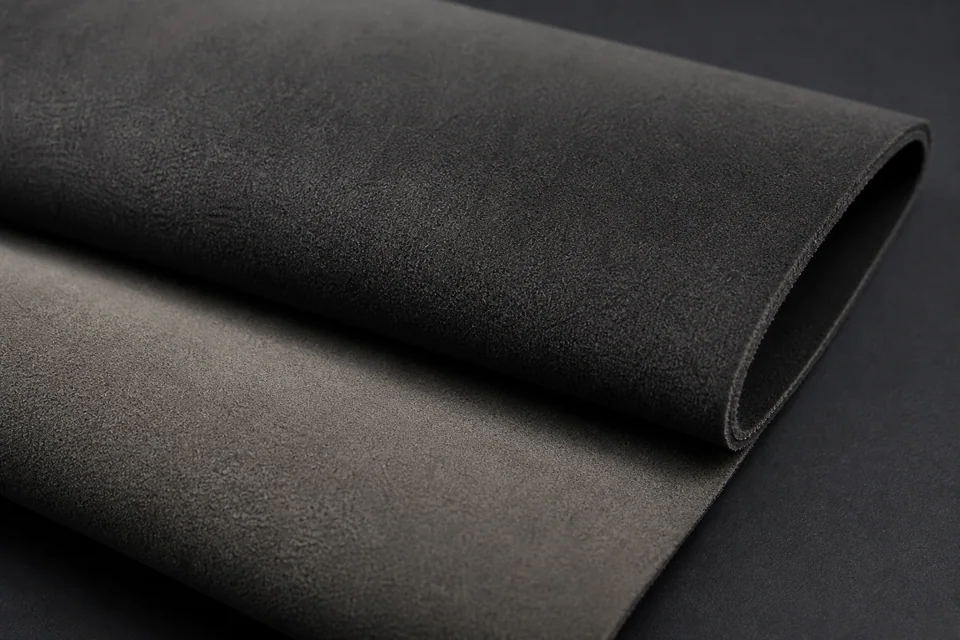
Genuine suede comes from the flesh side or split layer; nubuck is produced by lightly buffing the grain side; microfibre suede is synthetic. Similar appearances can hide different structures, cleaning needs and wear characteristics.
Alcantara Automotive Upholstery
Alcantara is a premium branded microfibre material used in many luxury and performance interiors. It is not animal leather or a generic name for suede. The supplier specification and intended automotive application should be confirmed.
Patterned & Speciality Upholstery Fabrics
Automotive fabrics can introduce texture and heritage-inspired character without changing the original seat shape. Choices may include woven centre-panel fabrics, perforated materials and patterned textiles used together with leather.
Leather Grain & Surface Appearance
Grain, Perforation & Stitching
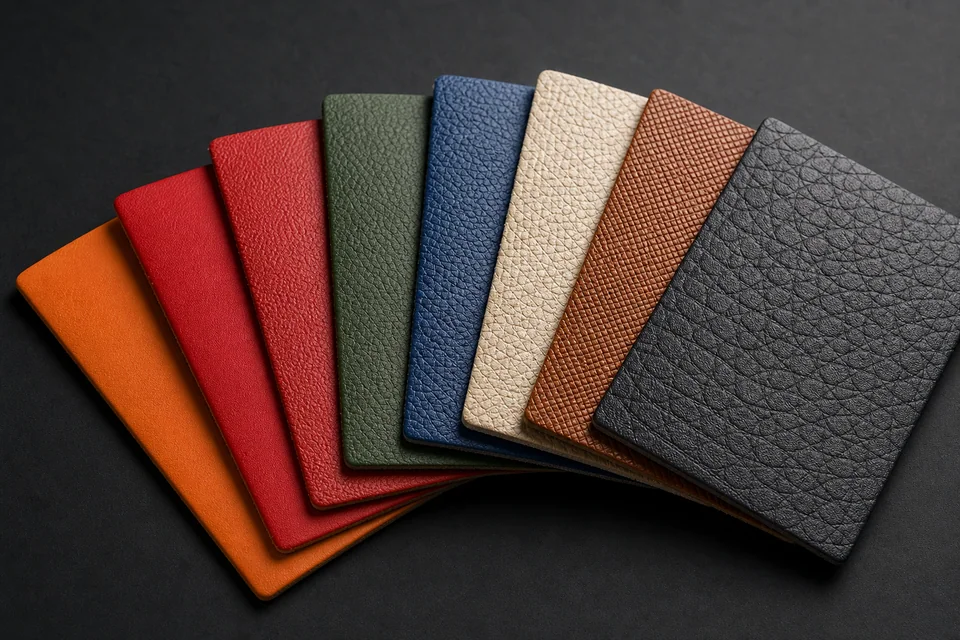
Common finishes include fine smooth grain, pebble grain, haircell and coarse embossed grain. Perforation is a ventilation and design treatment. Diamond quilting is a stitched panel pattern—not a natural leather grain.
Colour Selection
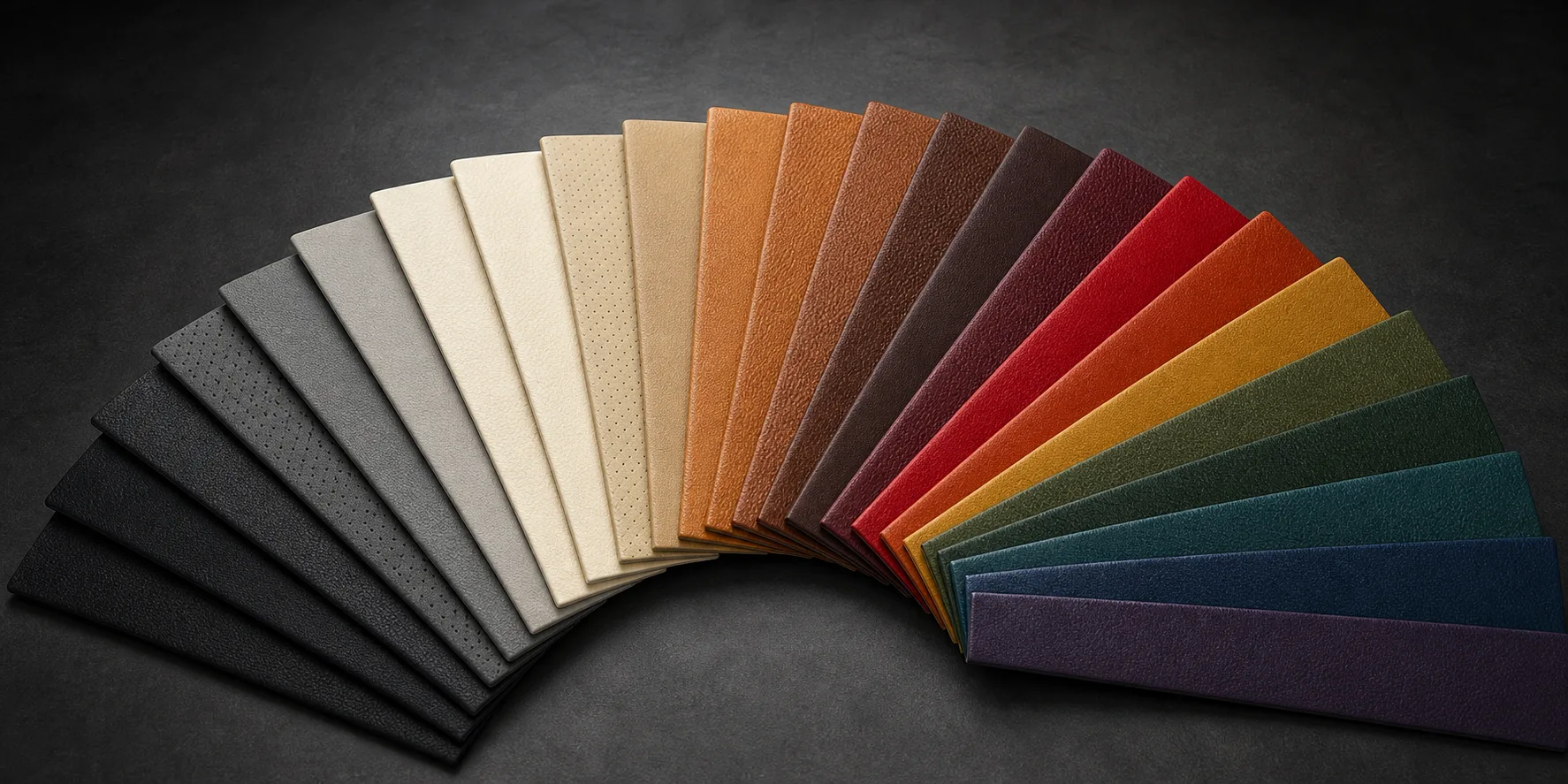
Screen colours are only a guide. Material batch, grain and lighting affect the final appearance. We recommend confirming the selection with a physical sample; uncommon colours may require sourcing, minimum quantities and additional lead time.
How Automotive Leather Is Made
The cost difference begins before leather reaches an upholstery workshop. Raw-hide quality, usable cutting area, finishing and testing all affect the finished material.
Raw Hide Selection
Hides are assessed for grain tightness, scars, scratches, wrinkles, vein marks and usable cutting area.
Cleaning & Preparation
Soaking, hair removal, fleshing, deliming, bating and pickling prepare the collagen structure for tanning.
Splitting & Thickness
The grain layer is separated from the flesh split and shaved for the intended upholstery use.
Tanning
Chrome, chrome-free or other systems convert perishable hide into stable leather.
Grading
Hides are graded by the number, depth and position of natural characteristics and processing defects.
Retanning & Dyeing
Retanning, dyeing and fatliquoring develop colour, softness, strength, feel and moisture behaviour.
Surface Finishing
Depending on grade, leather may receive light finishing or controlled buffing, pigmentation, protection and embossing.
Automotive Testing
Finished leather may be checked for colour consistency, abrasion, flex, staining, light and heat performance.
Nappa vs Corrected-Grain Automotive Leather
| Comparison | Premium Automotive Nappa | Corrected-Grain Automotive Leather |
|---|---|---|
| Surface | Very fine grain or almost smooth, with a lighter finish. | Carefully corrected, pigmented and embossed for consistency. |
| Hide selection | Requires more selective hides because prominent defects are difficult to conceal. | More surface irregularities can be reduced during controlled correction and finishing. |
| Cutting yield | Usually lower, increasing upholstery cost. | Greater usable area can improve cutting yield. |
| Why choose it | Softness, tactility and a refined appearance. | Practical protection, consistent grain and everyday use. |
Choosing Upholstery For Singapore’s Climate
Singapore exposes vehicle interiors to heat, humidity, strong sunlight, perspiration and frequent cabin-temperature changes. The best choice is therefore not simply the softest or most expensive material.
Check The Specification
Ask about abrasion, tear strength, flex resistance, UV, heat ageing, hydrolysis and colour fastness where supplier information is available.
Define The Panel Coverage
Terms such as “half leather” or “one-third leather” are not universally standardised. Confirm which centre, bolster, side and rear panels use each material.
Consider Use & Maintenance
Entry friction, clothing, cleaning chemicals, foam condition, stitching design and maintenance all influence service life.
Material consultation in Singapore
Need Help Choosing?
Send your car model, preferred colour and two or three clear interior photos. We can discuss material type, grain, colour availability, panel coverage and the next step for a quotation.